
Understanding White Label WordPress Services

White label WordPress services represent a strategic partnership model where specialized WordPress providers deliver maintenance, hosting, and support services under an agency's brand. Unlike traditional outsourcing, white label services are completely invisible to end clients. They see only your agency's branding, communication, and service delivery.
This model has emerged as a critical solution for the modern digital landscape, where agencies need to provide comprehensive WordPress maintenance services, ensuring sites remain fast, up to date, and robust without dedicating internal resources to technical implementation.
The Four Pillars of White Label WordPress Services

Development Services White label WordPress development allows agencies to offer custom development capabilities without maintaining an in-house development team. Agencies provide strategic direction, design specifications, and project requirements while their white label partner handles all technical implementation. This enables agencies to take on complex WordPress projects, custom functionality, and full website builds while focusing on client relationships and strategic planning.
Maintenance Services White label WordPress maintenance covers the ongoing technical work required to keep client sites secure, updated, and performing well. This includes core updates, plugin management, security monitoring, backups, and performance tuning. For a deep dive into maintenance partnerships (including pricing and how to build recurring revenue), see our complete white label WordPress maintenance guide.
Hosting Solutions Specialized WordPress hosting goes beyond basic web hosting by providing optimized server configurations, automatic scaling, CDN integration, and WordPress-specific security measures. White label hosting allows agencies to offer premium hosting solutions without managing server infrastructure. For agencies evaluating hosting options, understanding why infrastructure-only solutions often fall short helps clarify what comprehensive partnerships should include. To compare partnership models and wholesale pricing, see our white-label WordPress hosting for agencies page.
Support Services White label support gives your clients access to professional WordPress assistance, from content updates and minor modifications to emergency response and technical troubleshooting, all delivered under your agency's brand. For details on how white label support works, common scenarios, and partner evaluation criteria, see our white label WordPress support guide. For a detailed look at how after-hours emergency response works, including monitoring infrastructure and real incident examples, see our white-label emergency support guide.
Why Agencies Choose White Label WordPress Services
Scalability Without Overhead
The primary driver behind the white label WordPress trend is scalability. Agencies can better focus on serving clients by leveraging their strengths and relying on specialized providers to handle execution consistently and quickly. This model allows agencies to take on more clients without proportionally increasing their team size or technical infrastructure.
Expertise Access
WordPress is a complex platform that requires specialized knowledge in security, performance, hosting, and development. White label providers offer access to dedicated WordPress experts who stay current with best practices, security threats, and platform updates. As one agency owner noted, "I get to use some of the absolute best WordPress engineers out there, without having to pay their salary."
Revenue Generation
White label services create new revenue streams without requiring additional resources. Agencies can markup services and generate recurring monthly income while their white label partner handles all technical execution. This is a fantastic opportunity to generate residual income without doing any of the work.
Risk Mitigation
Professional WordPress maintenance reduces the risk of security breaches, downtime, and performance issues that can damage client relationships. Having expert partners handle critical technical tasks provides peace of mind for both agencies and their clients.
Core Components of White Label WordPress Services
Security Management
WordPress security requires constant vigilance and expertise. Professional white label providers implement multi-layered security approaches, including:
- Real-time malware scanning and removal
- Firewall configuration and management
- SSL certificate implementation
- Security hardening and vulnerability patching
- Regular security audits and monitoring
These comprehensive security measures protect client websites from the evolving threat landscape while ensuring compliance with industry standards.
Performance Optimization
Website speed directly impacts user experience, search rankings, and conversion rates. White label performance services include:
- Server-level optimization and caching
- Content Delivery Network (CDN) implementation
- Database optimization and cleanup
- Image compression and optimization
- Code minification and optimization
- Load testing and performance monitoring
Update Management
WordPress, themes, and plugins require regular updates for security and functionality. Professional update management includes:
- Staged testing environments for safe updates
- Compatibility testing before implementation
- Rollback capabilities for problematic updates
- Scheduling updates during low-traffic periods
- Comprehensive testing after updates
Backup and Recovery
Reliable backup systems are essential for business continuity. Enterprise-level backup services include:
- Automated daily backups
- Off-site storage for redundancy
- Quick restoration capabilities
- Versioned backups for historical recovery
- Testing backup integrity regularly
White Label WordPress Development: What Agencies Need to Know
White label WordPress development enables agencies to deliver complex technical projects without expanding their internal teams. By partnering with a dedicated development provider, agencies retain full ownership of the client relationship, creative direction, and project strategy while the white label team handles all coding and technical implementation.
The Development Process
A typical white label development engagement follows a structured workflow:
- Discovery: The agency gathers client requirements, business goals, and technical constraints, then shares a detailed brief with the development partner.
- Design: The agency (or its design team) produces wireframes and visual mockups in tools like Figma, XD, or PSD. The development partner reviews these for technical feasibility.
- Development: The white label team builds the site or feature according to the approved designs and specifications. This phase includes custom coding, plugin configuration, and content integration.
- Quality Assurance: Before delivery, the development partner runs thorough QA, including cross-browser testing, responsive checks, performance benchmarking, and code review.
- Launch: The finished project is deployed to the production environment, with the agency managing client communication and final approval.
This process keeps the agency in control of the client experience while ensuring professional-grade technical execution.
Types of Development Work
White label development partnerships can cover a wide range of project types:
- Custom themes: Pixel-perfect WordPress themes built from agency design files, free from the limitations of commercial templates.
- Plugin development: Custom plugins for unique functionality that off-the-shelf solutions cannot address.
- Figma-to-WordPress builds: Converting Figma (or XD/PSD) designs directly into fully functional WordPress themes. For a detailed look at design-to-WordPress workflows, see our guide on Figma to WordPress theme development.
- WooCommerce customization: Tailored e-commerce experiences including custom product pages, checkout flows, and payment integrations.
- API integrations: Connecting WordPress with CRMs, marketing platforms, ERPs, and other third-party systems through custom API work.
The key to a successful development partnership is clear communication of requirements, realistic timelines, and well-documented specifications.
White Label Web Design for Agencies
Many agencies need design support alongside development, and white label web design partnerships fill that gap. A strong white label design partner delivers responsive layouts that look sharp on every device and screen size, ensuring your clients' sites meet modern usability standards.
Brand consistency is a core concern when designing across multiple client projects. Your white label design team should work from established brand guidelines (or help create them) so that each site reflects the client's identity while meeting your agency's quality standards.
The design-to-development handoff is where many projects stall. Effective white label partners use structured handoff processes, with organized Figma files, annotated design specs, and documented interaction patterns, so that development can begin without ambiguity. When design and development live under the same white label partnership, this handoff becomes seamless, reducing revision cycles and keeping projects on schedule.
Choosing the Right White Label WordPress Partner
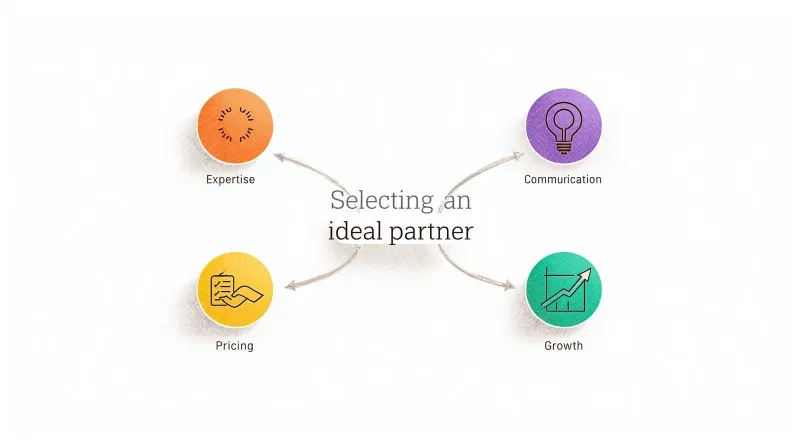
Whether you're selecting your first white-label partner or switching from an existing provider, evaluating candidates carefully prevents costly mistakes down the road. For a detailed evaluation framework with red flags and questions to ask, see our guide to choosing a white label WordPress agency.
Development Capabilities
Evaluate potential partners based on their development expertise and ability to handle your typical project types. Look for providers who demonstrate:
- Proficiency in custom WordPress development
- Experience with your preferred design tools and workflows
- Ability to work from detailed specifications
- Understanding of modern development best practices
- Clear project management and communication processes
Technical Expertise and Infrastructure
Evaluate potential partners based on their technical capabilities, infrastructure quality, and WordPress specialization. Look for providers who demonstrate deep WordPress knowledge, maintain high-performance hosting environments, and stay current with platform developments.
Communication and Support Structure
Since the provider will be representing your brand, their communication quality directly impacts your client relationships. Developer-to-developer communication, fast responses with no ticket tiers, and the flexibility to work directly with clients or stay invisible are crucial considerations. For a detailed look at how workflow integration should work in practice, see our guide on seamless client handoffs and agency workflow integration.
Pricing and Profit Margins
Understand the provider's pricing structure and how it aligns with your business model. Many providers offer partner discounts when managing multiple websites, allowing agencies to choose their own profit margins when reselling services.
Scalability and Growth Support
Choose partners who can grow with your agency. Consider their capacity to handle increasing website volumes, support multiple service tiers, and adapt to your evolving needs.
Implementation Best Practices
Client Onboarding
Successful white label implementation requires smooth client transitions. Establish clear processes for:
- Communicating service benefits to clients
- Managing expectations about response times
- Setting up branded communication channels
- Creating service level agreements
Internal Process Integration
Integrate white label services into your existing workflows:
- Establish clear escalation procedures
- Create internal documentation for service offerings
- Train your team on service capabilities and limitations
- Develop pricing strategies that ensure profitability
Quality Assurance
Maintain quality standards through:
- Regular service reviews and feedback collection
- Monitoring client satisfaction metrics
- Establishing clear service level agreements
- Implementing feedback loops for continuous improvement
Financial Considerations and ROI
Revenue Model Analysis
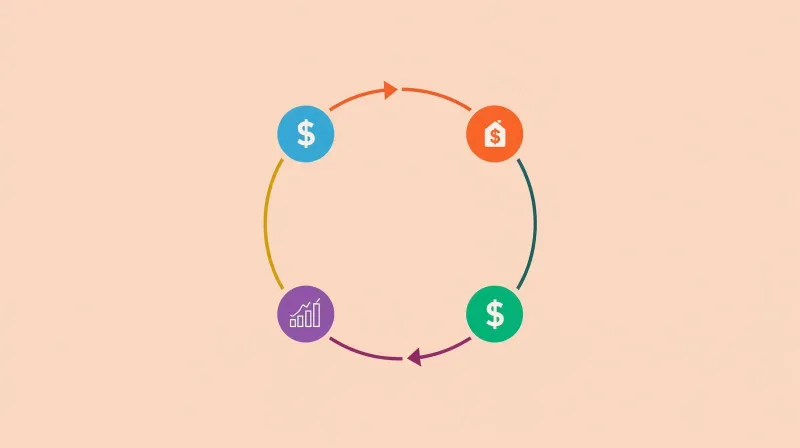
White label WordPress services typically generate revenue through monthly recurring fees, making them attractive for predictable cash flow. Calculate potential returns by considering:
- Average monthly fee per client
- Markup percentage on white label services
- Client retention rates
- Acquisition costs for new maintenance clients
Cost Structure
Understanding the complete cost structure helps optimize profitability:
- White label provider fees
- Internal management time
- Client acquisition costs
- Support and communication overhead
Break-even Analysis
Most agencies find that white label services become profitable quickly due to the recurring nature and minimal internal resource requirements. The model provides agencies with profitable and scalable business opportunities when implemented correctly.
Common Challenges and Solutions
Client Communication
Challenge: Maintaining your brand identity while using a white label provider. Solution: Establish clear communication protocols, use branded email addresses, and ensure all client-facing materials reflect your agency's voice and style.
Service Scope Management
Challenge: Clearly defining what services are included in white label packages. Solution: Create detailed service descriptions, establish clear boundaries, and communicate limitations upfront to prevent scope creep.
Quality Control
Challenge: Ensuring consistent service quality when you're not directly controlling delivery. Solution: Choose providers with proven track records, establish clear SLAs, and implement regular quality reviews.
How FatLab Approaches White Label WordPress Services
FatLab exemplifies the modern approach to white label WordPress services by focusing on developer-to-developer communication and transparent partnerships. Their model demonstrates several key advantages:
Invisible Partnership Options: They work directly with your clients or stay invisible (your call), providing flexibility based on your agency's needs and client relationships.
Comprehensive Service Integration: Their fully managed hosting includes security, CDN, backups, updates, and free staging environments, eliminating the need for multiple service providers.
Developer-Focused Communication: Fast responses, no ticket tiers, and developer-to-developer communication ensure technical issues are resolved efficiently without communication barriers.
Volume-Based Pricing: Discounted rates based on volume make their services increasingly attractive as agencies scale their client base.
The trust demonstrated by their client roster, including George Mason University, the University of Chicago, and numerous established agencies, reflects their ability to deliver enterprise-level service quality consistently. As the WordPress ecosystem continues to evolve toward greater specialization and tighter security requirements, agencies that partner with focused providers will be best positioned to stay competitive.
Getting Started with White Label WordPress Services
Assessment Phase
Begin by evaluating your current WordPress service delivery:
- Catalog existing client websites and maintenance requirements
- Calculate time and resources currently dedicated to WordPress tasks
- Identify service gaps or areas where specialized expertise would benefit clients
- Assess client satisfaction with current maintenance and support
Provider Selection
Research potential white label partners based on:
- Technical capabilities and service offerings
- Communication quality and responsiveness
- Pricing structure and profit margin potential
- Client testimonials and case studies
- Scalability and growth support
Implementation Planning
Develop a comprehensive implementation plan including:
- Client communication strategy for service transitions
- Internal process documentation
- Pricing strategy for white label services
- Timeline for transitioning existing clients
- Training requirements for your team
Launch and Optimization
Start with a small group of clients to test processes and gather feedback before full implementation. Use initial experiences to refine procedures and optimize service delivery.
Measuring Success
Key Performance Indicators
Track the success of your white label WordPress implementation through:
- Client retention rates for maintenance services
- Average monthly recurring revenue per client
- Internal time savings on technical tasks
- Client satisfaction scores
- New client acquisition rates
Continuous Improvement
Regularly review and optimize your white label WordPress service delivery:
- Gather client feedback on service quality
- Monitor provider performance against SLAs
- Analyze financial performance and profitability
- Identify opportunities for service expansion
- Stay current with industry trends and best practices
Conclusion
White label WordPress services represent a strategic opportunity for agencies to enhance their service offerings, improve client satisfaction, and generate recurring revenue without significant internal resource investment. By partnering with specialized providers who offer transparent communication, comprehensive services, and scalable solutions, agencies can focus on their core competencies while delivering professional WordPress management services.
The key to success lies in choosing the right partner, implementing clear processes, and maintaining focus on client value delivery. For agencies ready to explore white label WordPress services, the combination of reduced internal overhead, enhanced service quality, and new revenue opportunities makes this model a compelling strategic investment. The question is not whether to implement white label services, but rather how quickly you can begin leveraging them to transform your agency's WordPress service delivery.
Ready to See How a Partnership Looks in Practice?
If you've read this far, you're already evaluating whether white-label WordPress services fit your agency. The next step is the partnership itself: three models (100% invisible, fully co-branded, or hybrid), wholesale tiered pricing, and what hosting, maintenance, and developer support look like together under one partner.
Explore FatLab's White-Label WordPress Hosting →
Frequently Asked Questions
What are white label WordPress services?
White label WordPress services are maintenance, hosting, development, and support solutions provided by specialized companies that operate under your agency's brand. Your clients are unaware of the third-party provider. They only see your company's branding and communication. This allows agencies to offer comprehensive WordPress services without hiring additional technical staff or managing complex infrastructure.
How much do white label WordPress maintenance services cost?
White label WordPress maintenance services typically range from $50 to $300+ per website per month, depending on the service level and features included. Most providers offer volume discounts for agencies managing multiple client websites. The exact cost depends on factors like security monitoring, backup frequency, update management, performance optimization, and support response times.
Can I make money reselling white label WordPress services?
Yes, white label WordPress services are designed to be profitable for agencies. Most providers offer services at wholesale rates, allowing agencies to markup services 50-200% or more. Many agencies generate $100-500+ monthly recurring revenue per client while paying significantly less to their white label provider, creating sustainable profit margins.
How do white label WordPress hosting services work?
White label WordPress hosting providers manage all server infrastructure, security, and performance optimization while using your agency's branding for client communication. They typically include features like automatic backups, SSL certificates, CDN integration, staging environments, and WordPress-specific optimizations. Your clients receive hosting services that appear to come directly from your agency.
What's included in white label WordPress maintenance?
Standard white label WordPress maintenance typically includes WordPress core updates, plugin and theme updates, security monitoring and malware removal, regular backups, performance optimization, uptime monitoring, and basic support. Premium plans often include features such as content updates, custom development hours, priority support, and detailed reporting.
How do I choose the best white label WordPress provider?
Choose a white label WordPress provider based on their technical expertise, communication quality, service offerings that match your client needs, transparent pricing, and ability to scale with your agency. Look for providers who offer developer-to-developer communication, fast response times, comprehensive security measures, and flexible branding options.
Do my clients know I'm using a white label service?
No, properly implemented white label WordPress services are completely invisible to your clients. The provider uses your agency's email addresses, branding, and communication style. All client interactions appear to come from your team, maintaining your agency's relationship and brand integrity while leveraging specialized technical expertise.
Can white label providers handle WordPress development projects?
Yes, many white label WordPress providers offer custom development services where your agency provides project specifications, designs, and strategic direction while they handle all technical implementation. This allows agencies to take on complex WordPress projects without maintaining an in-house development team.
How quickly can I start offering white label WordPress services?
Most agencies can begin offering white label WordPress services within 1-2 weeks of partnering with a provider. The timeline includes setting up branded communication channels, transitioning existing client websites, training your team on service offerings, and establishing pricing strategies. Some providers offer expedited onboarding for agencies ready to scale quickly.